The Hidden Dangers of Dog Poop: Why You Shouldn’t Ignore Pet Waste

January 2, 2026

The Hidden Dangers of Pet Waste and Why Dog Poop Matters

As a dog owner, it's easy to overlook the seemingly harmless piles of dog poop left in your yard or on the sidewalk. After all, it's just poop, right? However, dog waste is much more than a nuisance to clean up — it can pose significant risks to both your health and the environment. From harmful bacteria to the spread of parasites, dog poop can have far-reaching consequences that many pet owners don’t realize.

We’ll find out the hidden dangers of dog poop, why you shouldn't ignore pet waste, and the importance of cleaning up after your dog. We’ll also dive into the long-term impacts of neglecting this responsibility and provide solutions for keeping your yard, your family, and your pets safe.

1. Harmful Bacteria and Parasites in Dog Poop

One of the main reasons dog waste is so dangerous is the presence of harmful bacteria, viruses, and parasites. While you may not be able to see these pathogens, they can cause serious health issues for both humans and animals. Here are some of the most common and dangerous culprits found in dog poop:

E. Coli


E. coli is a type of bacteria found in dog feces that can cause severe gastrointestinal issues, such as diarrhea, vomiting, and abdominal pain. This bacteria can be spread to humans, especially if proper hand hygiene isn't practiced after handling waste or coming into contact with contaminated surfaces.

Salmonella


Salmonella is another bacteria commonly found in dog poop. It can cause food poisoning-like symptoms, including fever, nausea, and dehydration. People with weakened immune systems, including children and elderly individuals, are particularly susceptible to infections caused by Salmonella.

Giardia


Giardia is a parasite that can cause gastrointestinal issues in both pets and humans. It's often found in the feces of infected animals, including dogs. If a dog ingests contaminated water or food, it can develop giardiasis, a condition characterized by diarrhea, cramping, and dehydration. Giardia can easily spread to humans who come into contact with infected water or soil.


Roundworms and Hookworms


Roundworms and hookworms are common parasites that live in a dog’s intestines and are shed in their waste. These parasites can cause severe infections in humans, particularly in children. In some cases, these worms can be transmitted through direct contact with feces or contaminated soil, leading to conditions such as visceral larva migrans or cutaneous larva migrans.

Toxocara Canis


Toxocara canis, a type of roundworm, is particularly concerning because it can cause a serious condition called toxocariasis in humans, especially children. This disease can result in damage to the eyes, liver, lungs, and brain if the larvae move into organs. Toxocara is commonly found in dog poop, making it all the more crucial to clean up after your pet.

2. Dog Poop Can Contaminate Water Sources

Another significant danger of dog waste is its ability to contaminate water sources. When dog poop is left on the ground and is exposed to rain, it can easily be washed into storm drains, rivers, lakes, or oceans. This contamination, known as non-point source pollution, can have devastating effects on local water quality.

The bacteria, viruses, and parasites in dog feces can harm both wildlife and humans. For instance, if dog waste is washed into a river or lake, it can introduce harmful pathogens that make the water unsafe for swimming, fishing, or drinking. In some cases, this contamination can also lead to the destruction of aquatic ecosystems, as the high nutrient load from dog waste can trigger the growth of harmful algae blooms.

Additionally, pet waste can cause nutrient pollution, leading to oxygen depletion in water bodies, which harms aquatic life. The presence of high levels of nitrogen from dog poop can also contribute to the eutrophication process, where bodies of water become excessively rich in nutrients and lose their ability to support healthy ecosystems.

3. Dog Waste Can Destroy Your Lawn

Dog poop not only affects the environment but can also harm your yard. The high levels of nitrogen found in dog waste can burn your grass and leave unsightly brown patches on your lawn. The concentrated nitrogen in dog poop can overwhelm your grass, causing it to die off and create bald spots. These areas may take a long time to recover, especially if the waste isn’t regularly cleaned up.

Moreover, as dog waste breaks down, it can create an unpleasant odor that lingers in your yard, making it less enjoyable to spend time outside. While it may seem like a minor issue, ignoring the waste can have long-term consequences for the appearance and health of your lawn.

4. A Breeding Ground for Flies and Other Pests

Dog poop can serve as a breeding ground for flies and other pests. When waste is left undisturbed for too long, it attracts flies that lay their eggs in the feces. The eggs hatch into larvae, which then become maggots. This cycle can quickly escalate, especially during warmer months, and before you know it, your yard can be infested with flies and other unwanted pests.

Additionally, dog waste can attract rodents, such as rats and mice, who are drawn to the food sources in the feces. These pests can carry diseases and further contribute to the spread of bacteria and parasites. Regular removal of dog poop helps reduce the attraction for these pests, keeping your yard cleaner and safer.

5. It’s Not Just About Cleanliness – It’s About Public Health

If you live in a neighborhood with shared spaces, such as parks, sidewalks, or dog-friendly areas, leaving dog poop behind isn’t just an inconvenience — it’s a public health concern. Children, joggers, and other pet owners may unknowingly step in contaminated waste, transferring harmful bacteria and parasites into their homes, onto their clothing, and into public spaces.

Additionally, pet waste left on sidewalks or in parks can contribute to the spread of zoonotic diseases — diseases that can be transmitted from animals to humans. For example, the transmission of diseases like Leptospirosis, which can be contracted through contact with contaminated water, is a growing concern in some areas. These risks highlight the need for responsible pet waste disposal and regular clean-up in public spaces.

6. It’s the Law – Many Areas Have Pet Waste Removal Ordinances

In many municipalities, failing to clean up after your dog is not just unsanitary — it’s illegal. Numerous cities and towns have pooper-scooper laws or ordinances requiring dog owners to pick up their pets' waste in public areas. Violating these laws can result in fines or other penalties. In some cases, local parks, neighborhoods, and residential communities may have their own set of pet waste removal rules that residents are expected to follow.

If you don’t pick up after your dog, you might find yourself facing penalties. This is especially true in urban and suburban areas where dogs are often walked in public spaces. Ignoring pet waste removal laws can also lead to complaints from neighbors or local residents, which can negatively impact your reputation as a responsible pet owner.

7. The Ethical Responsibility of Pet Ownership

As a responsible pet owner, it’s your ethical duty to clean up after your dog and ensure the safety of your environment. Not picking up after your dog can lead to negative consequences, not only for your own yard but also for the community around you. By ignoring pet waste, you are creating a breeding ground for diseases, harming the environment, and making public spaces unpleasant for others.

Taking responsibility for your dog’s waste is a key part of being a responsible pet owner. It’s important to remember that your pet’s waste is your responsibility — not only for the sake of your family and neighbors but also for the wellbeing of your pet and the environment.

Don't Let Dog Poop Pose Hidden Risks

It’s easy to dismiss dog poop as just an inconvenience, but the hidden dangers are significant and shouldn’t be ignored. From health risks to environmental damage, dog waste can cause a variety of problems for both you and your community. Regularly picking up after your dog and properly disposing of the waste is crucial to maintaining a clean, healthy, and safe environment.

By hiring K9 Cleanup pet waste removal service, you can protect your lawn, prevent the spread of disease, and reduce the environmental impact of pet waste. In the end, being a responsible pet owner means more than just taking care of your dog’s basic needs — it also means taking care of your surroundings and keeping them safe for everyone.

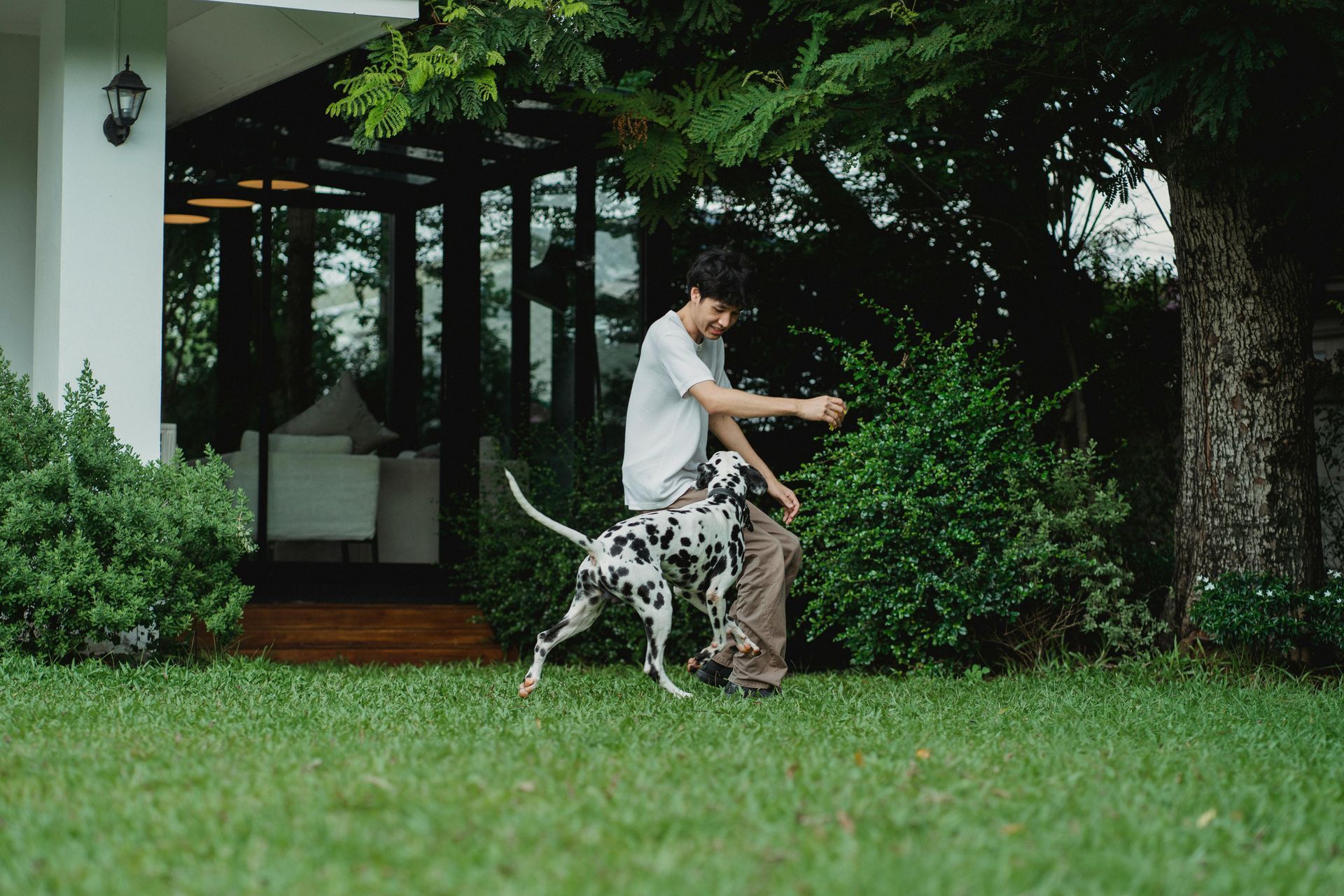
Man playing with a Dalmatian dog in a grassy yard near a house.
December 18, 2025
Discover how regular pet waste removal improves the aesthetics, health, and safety of your yard. Keep your lawn pristine and odor-free.
December 4, 2025
Learn how it prevents lawn damage, reduces odors, and promotes healthy plants with professional dog waste cleanup services from K9 Cleanup.
Shih Tzu dog sitting on stone path, looking right, with stairs and flowers in the background.
November 24, 2025
Keep your apartment complex clean and odor-free with K9 Cleanup. Learn why professional dog poop removal is vital for health, safety, and tenant satisfaction.
Dog sitting on a carpet with muddy paw prints next to a gray sofa.
November 10, 2025
Discover 5 signs you need professional yard poop removal. Save time, protect your lawn, and keep a cleaner, healthier space for your pets and family.
October 27, 2025
The Ultimate Checklist for New Dog Owners: Waste Removal and Walking Services
Dog sitting on stone path, in front of steps with flowers and greenery, in a garden.
October 22, 2025
Keep your yard clean and safe with expert dog waste removal in Frisco, TX. Protect your family and pets from bacteria and odors. Book service today!
Why Pet Waste Disposal Is Essential for Pet Owners | K9 Cleanup
October 8, 2025
Learn why pet waste disposal is crucial for public health, your lawn’s health, and the environment. Discover the benefits of professional pet waste removal services.
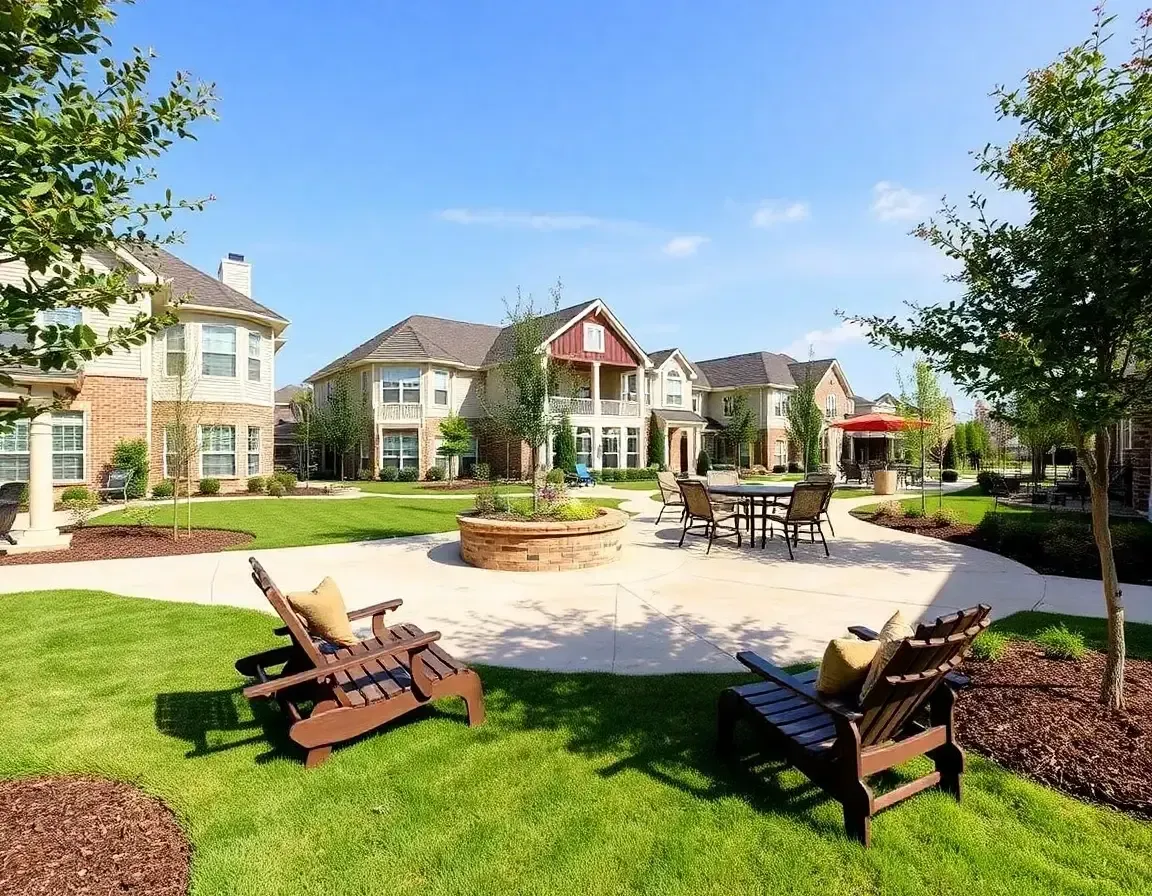
How Pet Waste Station Maintenance Can Improve Community Hygiene
October 3, 2025
Learn how regular pet waste station maintenance can enhance your community’s hygiene, reduce odors, and promote responsible pet ownership.
How Commercial Pet Waste Removal Benefits Your Business | K9 Cleanup
September 12, 2025
Learn how commercial pet waste removal improves customer experience, safety, and the environment. Discover the benefits of hiring a professional pet waste disposal service for your business with K9 Cleanup.
Why Residential Pet Waste Removal Is Essential for Every Pet Owner | K9 Cleanup
September 3, 2025
Discover why professional residential pet waste removal is a must for every pet owner. Learn about health benefits, lawn care, odor control, and time-saving advantages with K9 Cleanup's expert services.
Show More